

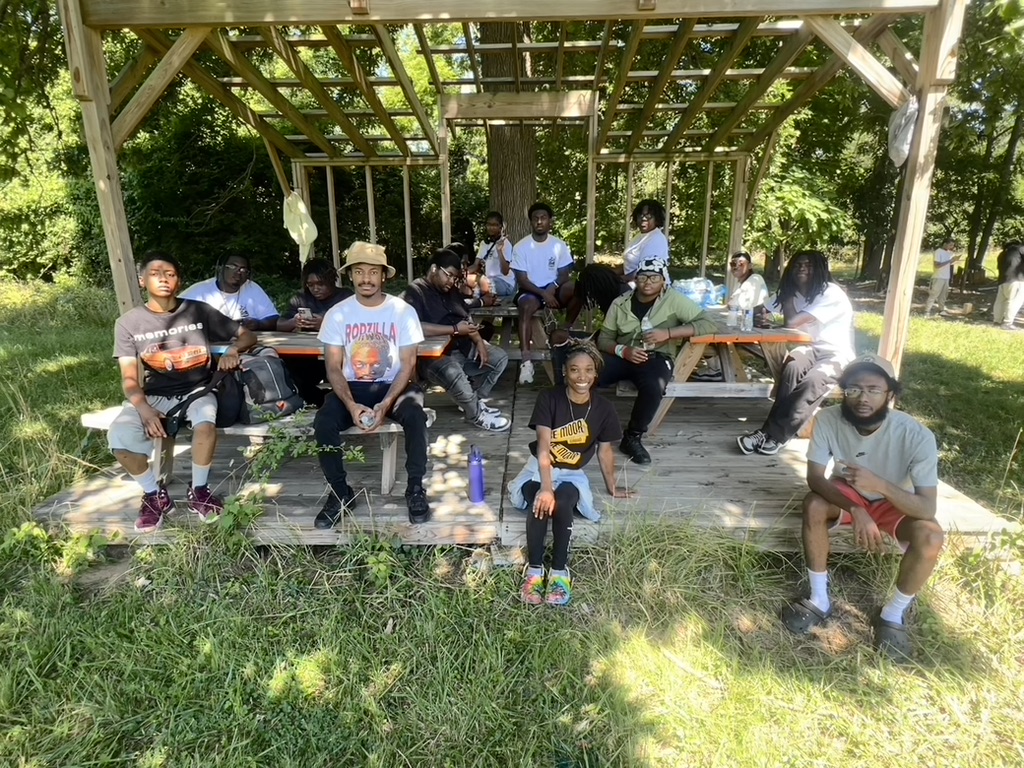
The older I become, the more it feels as if the axles of this earth are moving faster and faster. The summer of 2025 has been a revealing one for me. I had the honor of serving 43 young people as interns—most from Detroit, a few from other parts of the country. What I witnessed in their lives has both inspired me and deeply troubled me.
What stands out most is how much adult trauma rests on the shoulders of our young people—trauma created by adults and absorbed by children. In just six weeks, I walked with young people through experiences that could shake anyone to the core.
- One young man whose father was murdered by his grandmother.
- A young lady, not yet twenty, is already raising three sons.
- At least five who faced homelessness, forcing them to relocate—some across the city, others out of state.
- A 21-year-old is already addicted to drugs.
- Several more caring for an adult, whether a sick parent or a struggling grandparent.
- A young man who was finishing his last treatment for cancer
- A significant number of these young men and women are afflicted with ADHD
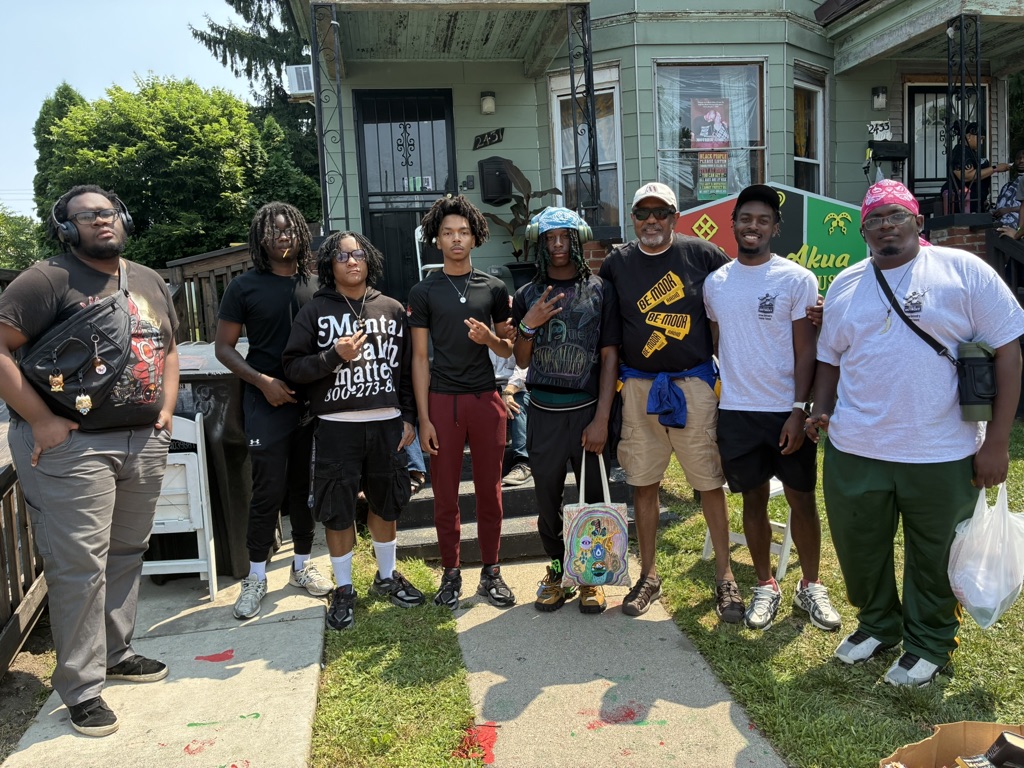
I spent my summer counseling, listening, and encouraging. And yet, I left with a sobering question: Are Black children truly resilient, or are they simply survivalists?
We know the story of Black people in this country. Oppression, racism, and systemic mistreatment have weighed heavily on our community. Out of that suffering, we have often celebrated “resilience.” But what if what we call resilience is sometimes just survivalist self-reliance—a posture that helps us endure, but also leaves us carrying wounds too heavy to heal on our own? Gina Samuels, writing about young people in the foster care system, calls this tension: “What doesn’t kill you makes you stronger.” But strength without restoration still leaves scars.
Resilience, in truth, is not just grit. It is the ability to manage stress and still function in the face of challenge. It is not a personality trait—it is a learned ability, something nurtured in families, churches, and communities. And because the adversity Black children face is often unlike that of others, our parenting, mentoring, and ministry must go deeper.
The Scriptures remind us of the truth of who our children are:
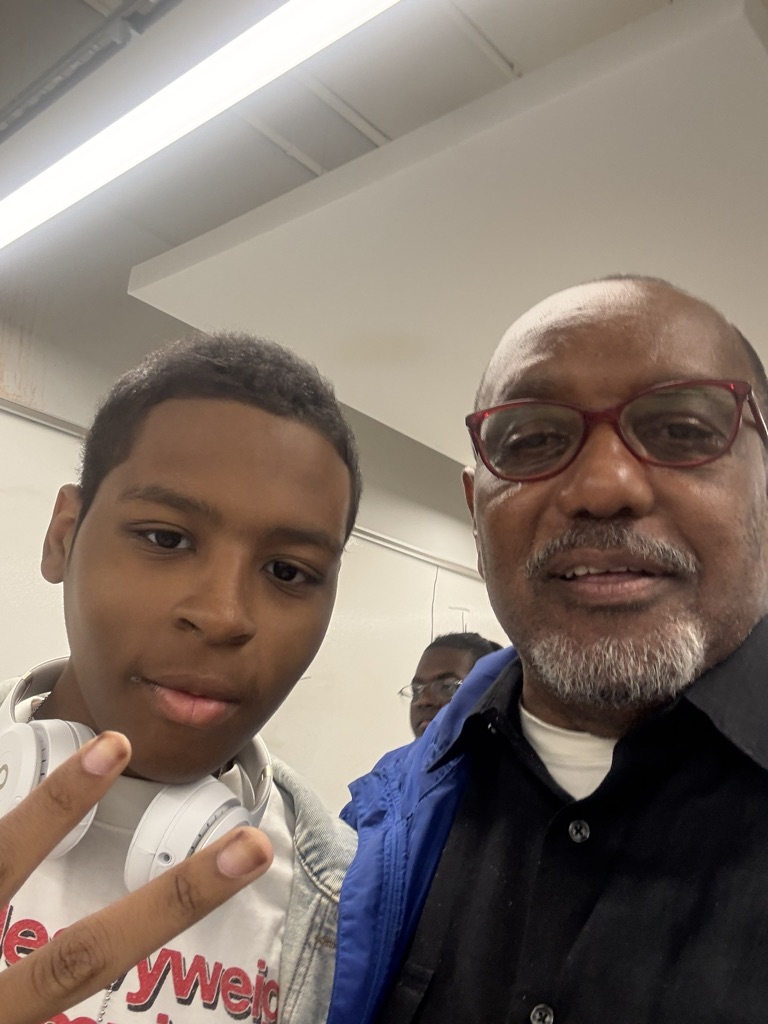
“Black children are fearfully and wonderfully made in the image of God (Psalm 139:14; Genesis 1:27). Though they may face trials, injustices, and obstacles, they are more than conquerors through Christ who loves them (Romans 8:37). The Lord is their refuge and strength, a very present help in trouble (Psalm 46:1). No weapon formed against them shall prosper (Isaiah 54:17), for God has plans to give them hope and a future (Jeremiah 29:11). Their resilience is not just survival—it is a testimony of God’s power, endurance, and faithfulness working through them (2 Corinthians 4:8–9).”
That’s why Christian urban youth development must move beyond pizza parties and Sunday School as usual. We are not just entertaining teenagers or babysitting children. We are confronting trauma, cultivating resilience, and building the faith that heals. This is the work of raising a generation that “knew not Joseph”—children growing up without memory of God’s wonders, unless we remind them.
This reality hit home again just last week. I stood among young adults in my neighborhood at the funeral of a young leader I had known since he was about 10 years old. He died of an overdose. His death haunts me—as should the death of every child who ever set foot in a Black church. Each life lost reminds us: our work cannot wait.
The question remains: Will we help our children do more than survive? Will we nurture a resilience rooted in faith, family, and community that allows them to thrive?
That is the calling on us all, and I’m just saying….
 I'm Just Saying