
On Thursday, October 9, 2025, a seventeen-year-old young man was shot in the back—just twenty feet in front of my home—by a white adult male. I mention his race not out of racial animosity, but because it’s uncommon to see a white man on my street, and this man needs to be found and taken off the streets of Detroit.
Yesterday, I learned that the young brother died from his wounds.
As I sat in my home office that day, I heard a single gunshot. When I opened my blinds, I saw the young man lying motionless in the street and the White man running to his white Ford 150. I rushed outside, joined by a young man working in my home. As we knelt beside him, he kept repeating, “I don’t want to die.” We tried to reassure him that he would live while calling 911.
Within minutes—no more than three or four—Detroit’s first responders arrived and worked with professionalism and urgency. The police investigators spent over an hour inside my home and at least three hours outside gathering evidence and statements. But the young man never had a fighting chance. He was shot in the back.
That night, I lay awake hearing his words—“I don’t want to die”—echoing in my mind. Those words still ring in my ears. And the painful truth is this: just as that young man didn’t have a fighting chance, so it is for far too many children and youth growing up in our communities across urban America.
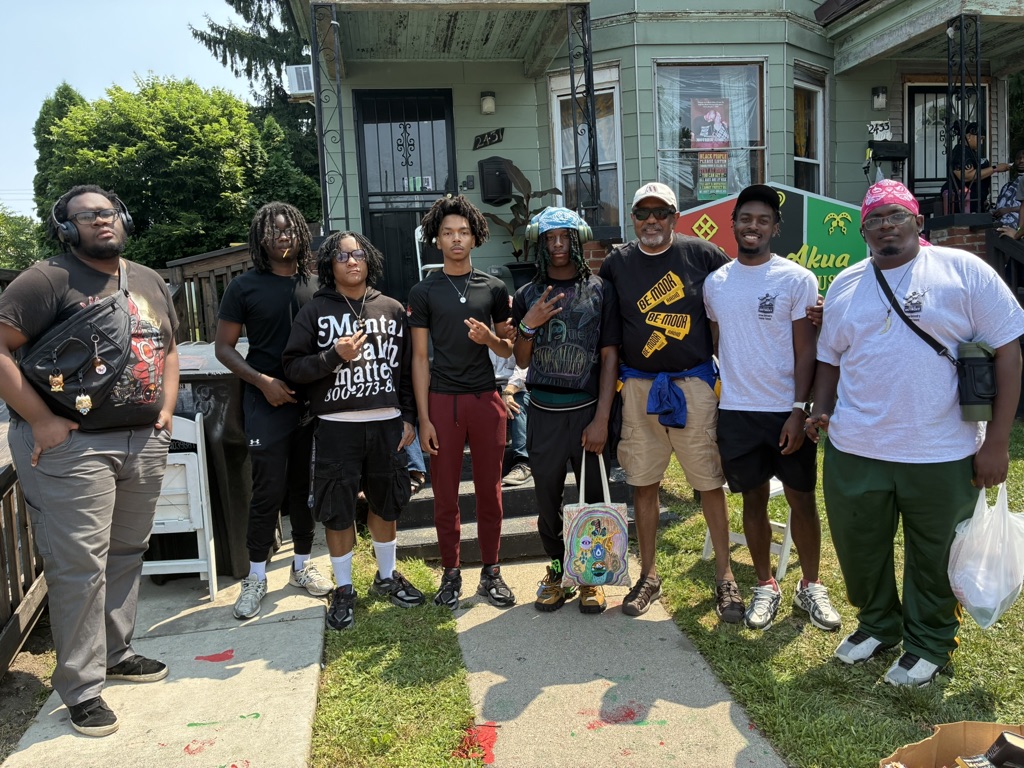
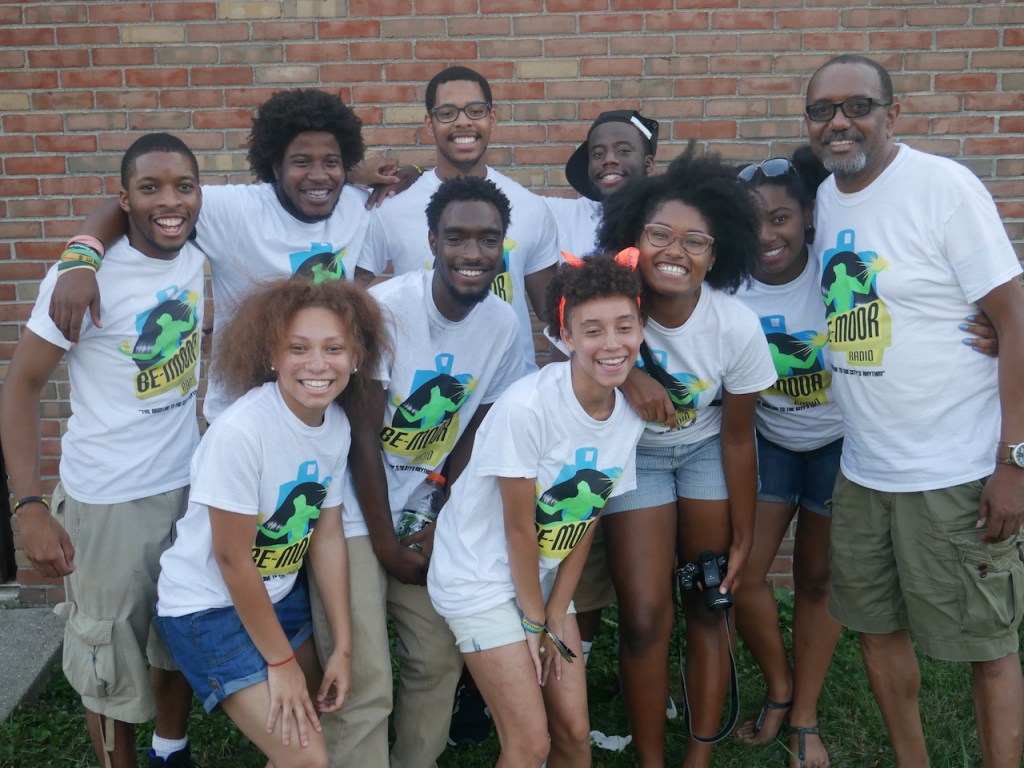
The next morning, I had to return to the rhythm of my daily ministry—praying with high schoolers at 6:30 a.m., as I’ve done for over 25 years, and later launching a new small group of young leaders through Be-Moor Radio.
That same day, only a few blocks from my house, tragedy struck again. At our neighborhood elementary school, a young girl stabbed another student—using a knife her mother brought to the school and handed to her. Yes, the mother gave her daughter a weapon and told her to use it.
Our children are in trauma. Our communities are in trauma. And too many have no fighting chance.
We no longer have a North Star—no shared moral compass or value-centered community. Black church, wake up! This is our role, our commission, and our divine assignment. Luke 4:18-19 makes it clear: “The Spirit of the Lord is upon me, because He has anointed me to preach good news to the poor…”
We need a reset—a return to our mission, our values, and our call to a people-centered spiritual renewal. Genesis 4:10 reminds us, “The blood of your brother cries out to me from the ground.” The blood of our sons and daughters is crying out from our streets for justice. They must not be forgotten.
Every child living in an urban community is experiencing trauma. In truth, every person in our communities is carrying trauma. We all need healing, hope, and an intervention—and the Black church, as the ambassador of Christ, is God’s chosen instrument for that healing.
Jesus said in John 10:10, “The thief comes only to steal, kill, and destroy; but I have come that you might have life—and have it more abundantly.”
An abundant life is a trauma-free life.
After decades of serving as an urban youth development specialist, I’ve seen more death and destruction than I care to recall. Yet this moment feels different. The urgency is greater. It was at my front door! The cries are louder.
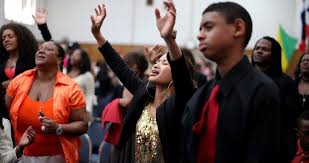
Black church, wake up! It’s time for a people-centered revival—a movement that heals, restores, and reclaims our communities. Everything else we’re doing is insignificant compared to this call. As God said in Amos 5:21–23, “I hate your festivals (could it be our church services)… take away from me the noise of your songs (could it be our praise and worship).”
Let’s resolve, together, to give our children—and our communities—a fighting chance.
P.S. There is a Truth and Trauma Conference—sponsored by the Detroit Leadership Foundation—that will be held on Saturday, November 18th, from 9:00 a.m. to 3:00 p.m. at the McGregor Memorial Conference Center on the campus of Wayne State University.
Get healed. Get equipped. And let’s get to work.












 I'm Just Saying