
Black History Month is a time of reflection, education, and celebration of the rich contributions of Black people worldwide. However, Black history should not be confined to a single month in the Black Church—the most influential institution in Black communities. Instead, it should be a year-round movement woven into worship, community engagement, and spiritual growth.
Although we have not embarrassed the every Sunday concept, Rosedale Park Baptist Church in Detroit, Michigan, has created a unique teaching and learning component within the children’s ministry by organizing a Living Black History Museum with kids exploring Black historical figures. Secondly, a salute to member Quan Neloms for his weekly class, “Knowing Our Pass.” Even if you don’t launch the Every Sunday concept, we must do something more than just celebrate Black History Month. Our children will not get it in their schools, our adults won’t hear it on urban radio, and the Black newspaper business either doesn’t exist or is more focused on entertainment, sports, and gossip.
The Black Church: A Living Testament to Black History
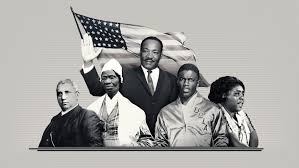
From the hush harbors of the enslaved to the grand cathedrals of today, the Black church has always been more than a place of worship. It has been a center for resistance, education, economic empowerment, and social justice. Figures like Dr. Martin Luther King Jr., Fannie Lou Hamer, and countless unnamed freedom fighters used the church as a launching pad for change. Their legacy demands continuous recognition—not just in February but every Sunday.
Why Every Sunday Should Honor Black History
- Biblical & Cultural Connection – The Bible is filled with African presence and influence. Recognizing these roots connects our faith to our heritage.
- Sustaining Cultural Identity – In a world that often seeks to erase or rewrite Black history, the church must remain a stronghold for truth.
- Empowering Future Generations – Young people need to see themselves reflected in history to believe in their potential. The church can be that guiding light.
- Strengthening Global Unity – Across the African diaspora—from America to the Caribbean to Africa—the Black church remains a unifying force. A shared commitment to honoring Black history can deepen connections worldwide.
How to Incorporate Black History Year-Round in Church
- Preach It: Highlight Black theological scholars, leaders, and historical movements in sermons.
- Sing It: Incorporate Negro spirituals and gospel songs rooted in sound theology.
- Teach It: Host workshops, book studies, and film screenings on Black history.
- Live It: Engage in social justice initiatives that align with the church’s historical role in advocacy.
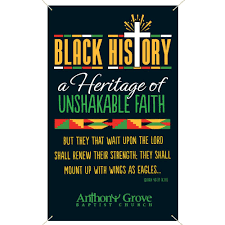
Black history is church history. Stories of struggle, triumph, and faith should not be reserved for February alone. If the Black church truly is the heart of the community, it must beat with the rhythm of our history every Sunday—not just in America but across the entire African diaspora. I’m just saying.

 I'm Just Saying