

Dear Educators, Pastors, Influencers, Leaders, and Everyone with an Audience,
As African Americans, many of us are beneficiaries of the dreams, sacrifices, prayers, and perseverance of our ancestors. They endured slavery, segregation, disenfranchisement, violence, and systemic injustice with the hope that future generations would not merely survive—but thrive. They believed we would take the baton and continue building stronger families, stronger communities, greater economic power, and deeper civic engagement.
But today, we stand at a critical crossroads.
We face challenges that threaten not only our present but the future of generations yet unborn. Silence is not an option. “If you remain silent at this time, relief and deliverance will arise from another place…” (Esther 4:14). The question is: Will we rise to the moment?
Many of us have grown comfortable with personal freedom, convenience, entertainment, and individual success. While these blessings are not inherently wrong, comfort can sometimes become the enemy of responsibility.
The Bible warns us: “To whom much is given, much will be required.” — Luke 12:48
The freedoms previous generations fought for were never intended to lead us into disengagement. Freedom was meant to empower responsibility, stewardship, and collective advancement.
Across the nation, debates surrounding voting rights, electoral districts, and representation continue to shape the future of communities of color. In several states, legal and political battles are underway over congressional district boundaries and how minority communities are represented in government. Recent redistricting disputes in states such as Louisiana and Tennessee have reignited concerns among many Black leaders and civil rights advocates about political influence and representation.
Representation matters because policies matter. Who sits at the table impacts conversations around education, healthcare, housing, economic development, criminal justice, and international policy affecting communities throughout the African diaspora. Scripture reminds us: “When the righteous thrive, the people rejoice; when the wicked rule, the people groan.” — Proverbs 29:2 Regardless of political affiliation, communities must remain civically informed, engaged, and intentional about leadership.
There is another issue demanding our immediate attention: the health and wellness of our children and youth. Across urban America, educators and emergency personnel are increasingly dealing with incidents involving cannabis-infused edibles in schools. National public health agencies report that cannabis-related emergency department visits among children and youth have risen in recent years, especially involving edible products that often resemble candy or snacks. Recently, HHS legalized hallucinogenic drugs with flavors that resemble candy. This is not simply a political issue. It is a parenting issue, a public health issue, and a community issue. We need honest conversations—not condemnation. We need researchers, pastors, physicians, educators, and policymakers sitting at the same table to ask difficult questions:
- How do we better protect children?
- How do we educate families?
- How do we balance personal liberty with community responsibility?
- How do we ensure profit never outweighs public health?
“Where there is no guidance, a people falls, but in an abundance of counselors there is safety.” — Proverbs 11:14 We need a serious think tank focused on urban public health and prevention strategies.
There is also reason for hope. For decades, families in Black communities have watched loved ones suffer from sickle cell disease. Yet science is making remarkable progress, including emerging gene therapies and treatments that many hope could significantly change outcomes. Today, approximately 100,000 Americans live with sickle cell disease, and more than 90% are Black or African American. The disease affects roughly 1 in every 365 Black births in the United States. Globally, over 100 million are impacted, particularly throughout Africa and the African diaspora. This should matter to us. This is why advocacy matters. This is why representation matters. This is why informed communities matter.
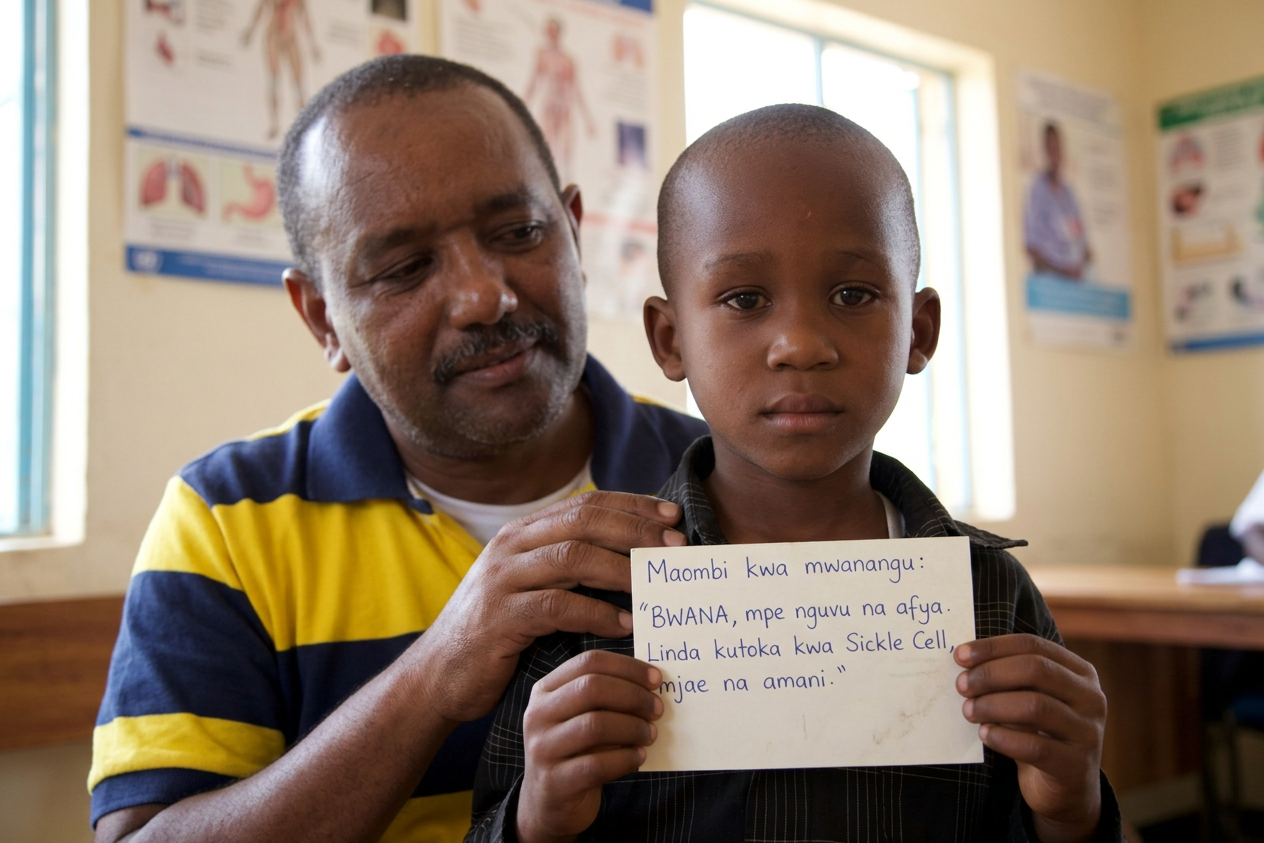
“Speak up for those who cannot speak for themselves…” — Proverbs 31:8 If breakthroughs are on the horizon, our voices should be among the loudest advocating for equitable access, research funding, and healthcare justice.
Public education is under pressure. Mental health concerns are rising. Families are fragmented. Young people are increasingly disconnected from faith, purpose, and meaningful mentorship. Historically, the Black church stood in the gap—not only spiritually, but socially, educationally, politically, and economically. Churches fed families, organized communities, mentored youth, built schools, fought for justice, and challenged systems of oppression. We must ask ourselves honestly: Have we drifted from that mission? The Bible reminds us: “Faith without works is dead.” — James 2:17 We cannot only preach hope. We must organize hope. We cannot only pray for change. We must become instruments of change.
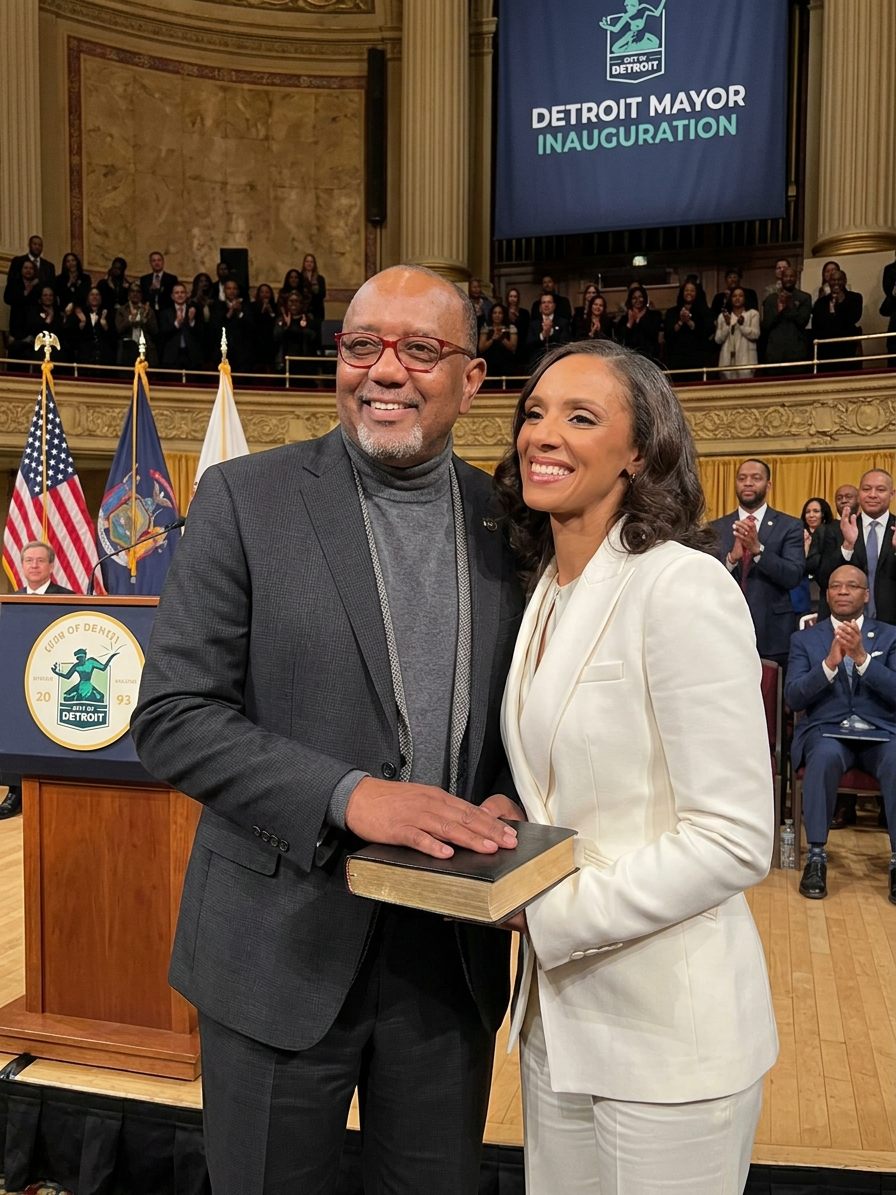
Pastors. Educators. Parents. Influencers. Community leaders. Business owners. Young adults. It is time to rise. If you’re in Detroit or the metropolitan area, Mayor Mary Sheffield is challenging us to Rise Higher Detroit. But this is not her problem. We need a strategy. We need sacrifice. We need accountability. We need institutions committed to the long-term welfare of our people.
Our ancestors sacrificed too much for us to become comfortable spectators. We cannot continue merely living in their dreams. We must build new dreams worthy of the sacrifices they made. Because if we fail to act, future generations may ask: “What did they do when the warning signs were clear?”
I’m just saying…

