Is Anyone Actually Listening to Detroit’s Youth?

This may be my only note to the new leadership in Detroit. I write this not out of cynicism, but out of a desperate hope to encourage our new, energetic Mayor Sheffield and her leadership team to break a cycle that has persisted for decades.

For over thirty years, I have sat in countless youth-centered focus groups. The refrain from our young people has remained hauntingly consistent. They point to two critical pillars of concern: Safety and Mental Health-related issues or wellness.

The Echo Chamber of “Presentation Issues”

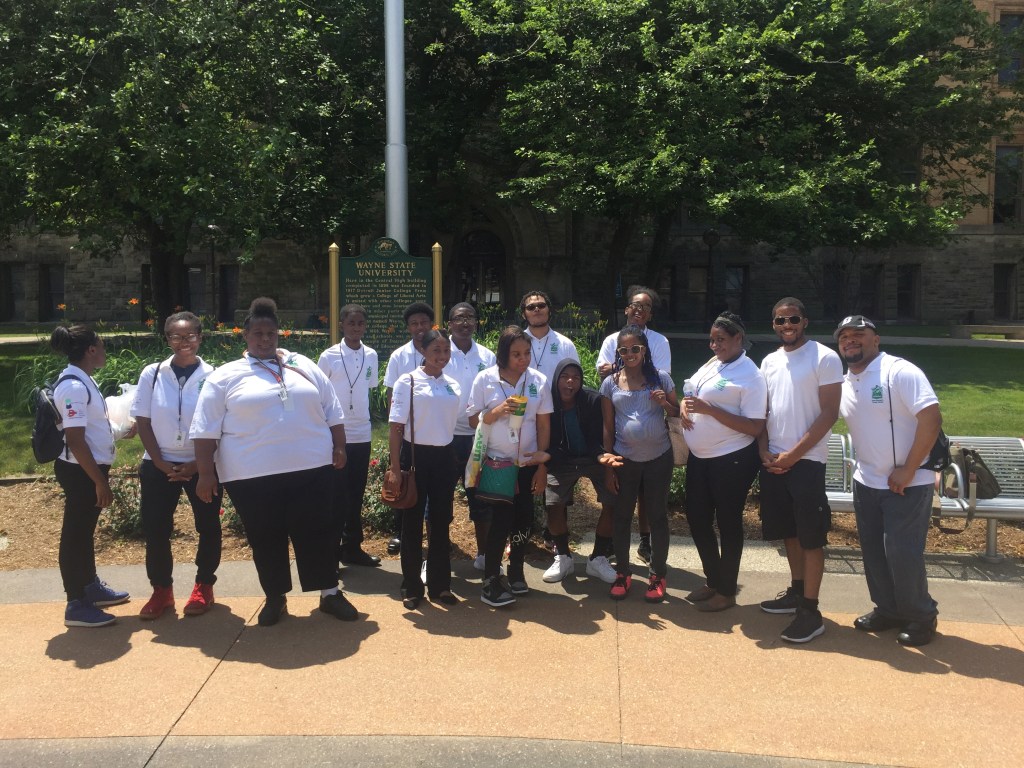
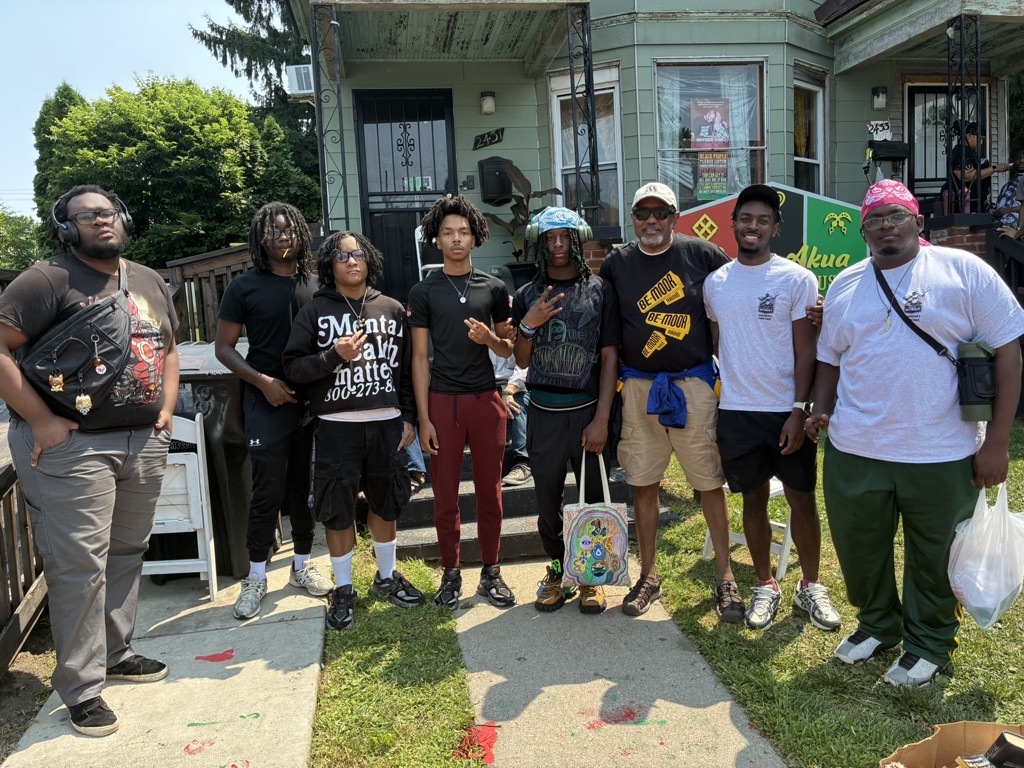
A few weeks ago, I attended a focus group hosted by Rise Higher, the Mayor’s new initiative. The students in the room—who are not professionals and may not have the “academic” vocabulary to describe systemic failure—articulated the exact same problems I’ve heard for generations.

They don’t feel safe. They are struggling with mental, social issues, and wellness.

Instead of addressing the root cause of that fear, we often see leadership pivot toward “quick wins.” For example:

  • The Problem: Students explicitly stated they avoid the DDOT bus system and the Transit Centers because of rampant safety concerns and violence. News flash, students don’t ride the bus because they lack funding; it’s a matter of safety. 
  • The “Solution”: The launch of Ride to Rise.

While transit initiatives are flashy, are we actually solving the safety crisis, or are we just trying to put more people into an environment they’ve already told us is dangerous? We are “solving” the presentation of the problem rather than the root of the issue.

The Mental Health Crisis by the Numbers

The data currently circulating regarding our youth is staggering. It is estimated that over 62% of children and youth in Detroit schools would qualify for some form of mental health assistance. ℹ

Yet, at a recent gathering of the city’s largest youth-serving agencies, I listened closely. Not one leader mentioned mental health wellness, clinical assistance, or even structured mentoring. If the people tasked with “serving” the youth aren’t talking about their psychological well-being, who is?  Our kids are facing life-changing mental health matters like autism, ADHD, and ADD, to name a few, along with agonizing family problems. We must create a wellness environment, and wellness must be integrated into academic delivery. Can we scratch where it itches?  How can we expect our students to excel in our outdated academic environment when they struggle with mental health issues?  Over 15 years ago, I assembled a meeting of philanthropic leaders to seek help in building a student-based wellness system. The response from the representatives was, “Who will pay for it?” I quickly realized that no one is really interested in addressing the critical needs of our Black children and youth. Our children are out here on their own, trying to figure it out without help!

Last week, Detroit celebrated the opening day of the Detroit Tigers, and that was marred by a series of violent behavior by mobs of teenagers who were summoned to downtown to engage in destructive activities as if it were a planned event. 

Yesterday, I witnessed the launch of the Move Detroit movement. As someone who has spent a lifetime in urban youth development, I know thousands of former Detroiters who would love to come home. But they won’t move back for a new restaurant or a stadium and entertainment venues.. They will move back when we address the three pillars of quality of life:

  1. Education: Schools that prepare children for the global stage.
  2. Transportation: A system that is actually safe, captivating, and environmentally friendly to navigate.
  3. Wellness: A community that heals its trauma rather than ignoring it.

It is wonderful to see downtown Detroit buzzing with entertainment and “fun.” But a “Global Renaissance City” isn’t built on appetizers and music festivals—it’s built on the safety and prosperity of all residents across every zip code, regardless of race, class, or economic standing.

A Challenge to Mayor Sheffield

Mayor Sheffield, I encourage you: Do not fall into the trap. Every administration dating back to Jerome Cavanagh has looked for quick wins—the easy solutions that resonate with a bamboozled public mesmerized by optics and sound bites. In the interest of full disclosure, I must admit that I participated in and championed such efforts during my short stint in the Coleman Young administration with the Move Detroit Forward initiative and others.

Detroit has the opportunity to chart a course for the world—to create a model of urban reconciliation and prosperity. However, that only happens if we stop looking for the “presentation” fix and start listening to what the youth and others have been screaming for years. We must avoid the “quick fix” or the “pixie dust” approach.

Mayor Sheffield, we are with you regardless of the path you take. We recognize that you are facing some of the most incredible challenges in the history of this office, but the people are with you for the long haul to achieve systemic transformation. I’m just saying…

ℹDetroit Wayne Integrated Health Network

The Digital Divide Deepens: How Michigan’s New Phone Ban Hurts Black Students

Once again, government officials have dug a hole for Black children that will be nearly impossible to climb out of—and the fault lies with adults, not students.

To the legislators who supported Michigan House Bill 4141 and Senate Bill 495, and to Governor Gretchen Whitmer for signing them into law: be ashamed. Your decision to restrict the use of cell phones in K–12 public schools during instructional time has not helped our children—it has harmed them.

You may have created a barrier so deep that too many Black students will never recover.

A Divide That Already Exists

Before this law, our students were already behind. Michigan’s own data shows that more than 70% of Black school-age children lack reliable access to the internet or a computer at home. Without broadband access, without devices, without digital resources, Black students in Detroit and across the state are cut off from 21st-century learning. Now you have widened that gap even further.

This is the digital divide—not some abstract concept but a lived reality that shapes educational opportunity, economic mobility, and life outcomes for thousands of children.

You Have Deepened the Opportunity Gap

Let’s be clear: the issue with cell phones in the classroom isn’t inherently about discipline or distraction. It’s about access to tools and the lack of instruction on how to use them effectively. Banning technology that students already use, that they carry everywhere, is not a solution. It is a regression.

In true American fashion, when we don’t master something, we shun it. We demonize it. But our children live in a world defined by digital connectivity—whether educators like it or not. Until our pedagogical methods evolve, Black students will continue to be educated by a system rooted in the past.

Education Must Catch Up With the Times

Education in many classrooms today remains didactic—unchanged since ancient Greek academies. But students today are not passive learners; they are active, digitally connected, and they thrive in environments that are hands-on, interactive, and technology-enabled.

There are proven tools—Learning Management Systems like Google Classroom, Schoology, Canvas, and others—that integrate cell phones and digital devices into teaching. Teachers can use students’ phones as instructional tools for research, collaboration, and real-time learning. Yet rather than harnessing technology, we choose to restrict it.

The New Educational Underclass

By banning phones without addressing access and digital literacy, we are creating a new educational underclass—led not by malicious actors, but by well-intentioned adults who are afraid to embrace innovation.

But responsibility doesn’t stop with legislators.

Other culprits include:

  • Academic schools of education (colleges and universities) that train teachers in outdated methods.
  • A public education system driven by middle-class professionals disconnected from the realities of urban Black children.
  • Community influencers and parents who aren’t grounded in the neighborhoods they claim to serve.
  • And most troubling, a system that ignores the voice of the very people it is supposed to uplift: Black children in Detroit.

A Call to Action

Governor Whitmer. Michigan state legislators. Suburban educators.

We can be intimidated by change — or we can lead it.

Let’s reverse this curse.

While children in suburban districts walk into classrooms equipped with tablets, laptops, iPads, and an ecosystem of technological support, more than 70% of Black children in Detroit come with nothing to augment or fully participate in this technological era. That is not a discipline issue. That is an equity issue.

We have a powerful opportunity before us: to reformulate classroom experiences into environments that are engaging, interactive, and relevant to the way today’s students actually learn.

Two years ago, we implemented Learning Management Systems (LMS) into our core curriculum. The results have been nothing short of transformational. Each day begins with a dynamic, interactive module reviewing the previous day’s lesson. Students are not passive listeners — they are active participants.

While we have not conducted a formal academic study, I am confident enough to suggest that student retention is at or above 90–95%. Students are not only recalling content — they are internalizing it. They talk about it. They apply it. They retain it.

Can you imagine a classroom environment where over 90% retention becomes the norm rather than the exception?

Instead of banning tools, let’s study how to effectively integrate innovative technology into classroom settings. Let’s listen to our children. Let’s collaborate with educators on the front lines. Let’s empower teachers with the training, resources, and tools required for the digital era. And most importantly, let’s address device access and connectivity not as luxuries — but as educational equity issues.

The future is not waiting for us to get comfortable. The future is demanding, now is the time, and I’m just saying.