

This may be my only note to the new leadership in Detroit. I write this not out of cynicism, but out of a desperate hope to encourage our new, energetic Mayor Sheffield and her leadership team to break a cycle that has persisted for decades.
For over thirty years, I have sat in countless youth-centered focus groups. The refrain from our young people has remained hauntingly consistent. They point to two critical pillars of concern: Safety and Mental Health-related issues or wellness.
The Echo Chamber of “Presentation Issues”
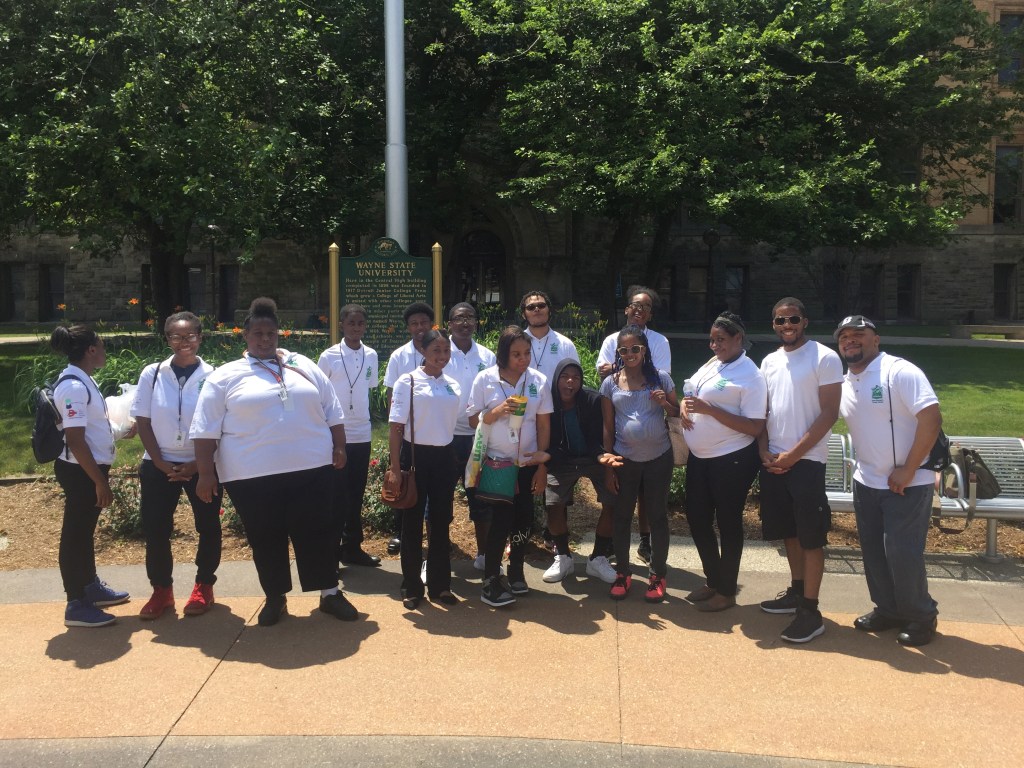
A few weeks ago, I attended a focus group hosted by Rise Higher, the Mayor’s new initiative. The students in the room—who are not professionals and may not have the “academic” vocabulary to describe systemic failure—articulated the exact same problems I’ve heard for generations.
They don’t feel safe. They are struggling with mental, social issues, and wellness.
Instead of addressing the root cause of that fear, we often see leadership pivot toward “quick wins.” For example:
- The Problem: Students explicitly stated they avoid the DDOT bus system and the Transit Centers because of rampant safety concerns and violence. News flash, students don’t ride the bus because they lack funding; it’s a matter of safety.
- The “Solution”: The launch of Ride to Rise.
While transit initiatives are flashy, are we actually solving the safety crisis, or are we just trying to put more people into an environment they’ve already told us is dangerous? We are “solving” the presentation of the problem rather than the root of the issue.
The Mental Health Crisis by the Numbers
The data currently circulating regarding our youth is staggering. It is estimated that over 62% of children and youth in Detroit schools would qualify for some form of mental health assistance. ℹ
Yet, at a recent gathering of the city’s largest youth-serving agencies, I listened closely. Not one leader mentioned mental health wellness, clinical assistance, or even structured mentoring. If the people tasked with “serving” the youth aren’t talking about their psychological well-being, who is? Our kids are facing life-changing mental health matters like autism, ADHD, and ADD, to name a few, along with agonizing family problems. We must create a wellness environment, and wellness must be integrated into academic delivery. Can we scratch where it itches? How can we expect our students to excel in our outdated academic environment when they struggle with mental health issues? Over 15 years ago, I assembled a meeting of philanthropic leaders to seek help in building a student-based wellness system. The response from the representatives was, “Who will pay for it?” I quickly realized that no one is really interested in addressing the critical needs of our Black children and youth. Our children are out here on their own, trying to figure it out without help!
Last week, Detroit celebrated the opening day of the Detroit Tigers, and that was marred by a series of violent behavior by mobs of teenagers who were summoned to downtown to engage in destructive activities as if it were a planned event.
Yesterday, I witnessed the launch of the Move Detroit movement. As someone who has spent a lifetime in urban youth development, I know thousands of former Detroiters who would love to come home. But they won’t move back for a new restaurant or a stadium and entertainment venues.. They will move back when we address the three pillars of quality of life:
- Education: Schools that prepare children for the global stage.
- Transportation: A system that is actually safe, captivating, and environmentally friendly to navigate.
- Wellness: A community that heals its trauma rather than ignoring it.
It is wonderful to see downtown Detroit buzzing with entertainment and “fun.” But a “Global Renaissance City” isn’t built on appetizers and music festivals—it’s built on the safety and prosperity of all residents across every zip code, regardless of race, class, or economic standing.
A Challenge to Mayor Sheffield
Mayor Sheffield, I encourage you: Do not fall into the trap. Every administration dating back to Jerome Cavanagh has looked for quick wins—the easy solutions that resonate with a bamboozled public mesmerized by optics and sound bites. In the interest of full disclosure, I must admit that I participated in and championed such efforts during my short stint in the Coleman Young administration with the Move Detroit Forward initiative and others.
Detroit has the opportunity to chart a course for the world—to create a model of urban reconciliation and prosperity. However, that only happens if we stop looking for the “presentation” fix and start listening to what the youth and others have been screaming for years. We must avoid the “quick fix” or the “pixie dust” approach.
Mayor Sheffield, we are with you regardless of the path you take. We recognize that you are facing some of the most incredible challenges in the history of this office, but the people are with you for the long haul to achieve systemic transformation. I’m just saying…
ℹDetroit Wayne Integrated Health Network
 I'm Just Saying